Charity Shop Grails: Where to Bag Real Drip for Under a Tenner in Britain
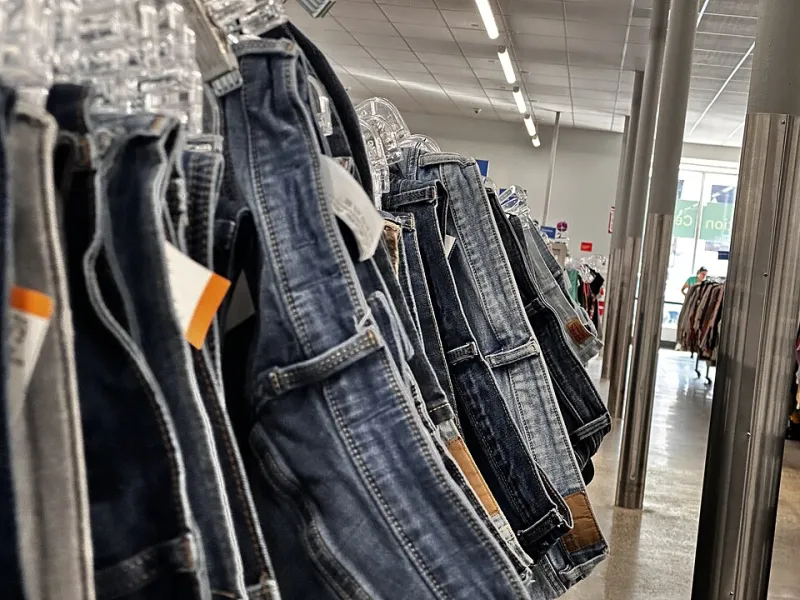
Photo: Magpieturtle, CC BY 4.0, via Wikimedia Commons
Let's be honest: the resale apps have lost the plot. A faded Carhartt jacket with a rip in the pocket going for £180? A vintage Stone Island knit priced like it's been blessed? Nah. There's a better way, and it involves skipping the middleman entirely — because somewhere between a retired plumber's wardrobe and a rail in Oxfam sits your next grail, tagged at £6.99.
Charity shop thrifting is the last honest game in UK drip. Here's how to play it properly.
The Golden Rule: Location Is Everything
The single biggest factor in charity shop success isn't luck — it's geography. You want towns with ageing populations, industrial heritage, and zero vintage re-sellers pricing things up by the afternoon.
Sheffield is the crown jewel. Beyond the well-known vintage barns near the city centre, the surrounding suburbs — Hillsborough, Crookes, Ecclesall — are stacked with charity shops that clearly haven't clocked what a heavy-duty workwear jacket is worth. Steel City history means rails genuinely full of hardwearing chore coats, Dickies, and denim that's aged better than most resale stock.
Coastal Yorkshire — Filey, Bridlington, Hornsea — is where grandad-core dreams come true. Seaside towns skew older, wardrobes skew quality, and nobody's queuing at 9am for a waxed jacket. Patagonia fleeces, proper Regatta, the occasional mind-blowing outdoor piece — all for the price of a meal deal.
Wrexham and the North Wales coast punch way above their weight. Rugby and football culture means vintage sports tops and terrace-appropriate shell suits surface regularly, mostly unpriced as 'vintage' because, to the volunteers, they're just old clothes.
Kirkcaldy and Fife in Scotland deserve a shout — charity shops per capita is off the charts, and Barbour-adjacent countryside means countrywear grails at charity prices.
Norwich rounds out the list: a university city with an old, settled population, meaning you get both student turnover donations and genuine old-stock quality on the same rails.
Timing: The Tuesday Theory
Donations peak on weekends and Mondays (post-car-boot-sale and post-declutter energy), and most shops process and rack new stock within 24–48 hours. Translation: Tuesday and Wednesday mornings are prime time. Saturday afternoon is picked-clean territory — you're fighting over the Primania fast-fashion cast-offs.
Get friendly with the volunteers, too. A quick 'anything good come in this week?' costs nothing and pays dividends. Some shops will literally hold things aside for regulars. That's not cheating; that's networking.
Real Grail vs. Primarni Fossil
This is where most beginners slip. The rails are full of fast fashion pretending to be vintage. Here's your filter:
- Feel the fabric first. Heavyweight cotton, dense wool, proper denim weight. If it feels thin and papery, it's a 2019 Boohoo tee wearing a fake moustache.
- Check the labels. Made in England, Made in UK, or Made in Portugal is usually a green flag on older pieces. Single-stitch hems on tees often indicate pre-2000s manufacture.
- Zipper archaeology. YKK zips are fine; branded zips (Lampo, riri, or the brand's own hardware on jackets) suggest quality construction.
- Know your logos. Stone Island's compass badge should be cleanly embroidered, not glued. Carhartt's older 'workwear division' labels differ from the fashion-line ones — both are good, but the vintage stuff hits different.
- Fleece is the cheat code. Nobody fights over fleeces in charity shops yet. Patagonia, The North Face, Columbia — grab them while the market's asleep.
Wash It, Obviously
One non-negotiable: everything goes straight in the wash (or dry clean for wool and outerwear) before it touches your rotation. A 30-degree cycle with a bit of detergent and, if needed, an antibacterial laundry soak sorts 99% of charity shop funk.
The Long Game
Thrifting rewards patience over payday. You won't strike gold every trip — some weeks you'll leave with a plain tee and a bruised ego. But over a few months, you'll build a rotation that no resale app can replicate: one-of-one pieces, priced in pounds, with stories attached.
And when someone asks where the jacket's from? You get the best flex in British fashion: '£6. Charity shop in Filey.'
Zero cap. Get out there before everyone else catches on.